Table Of Content
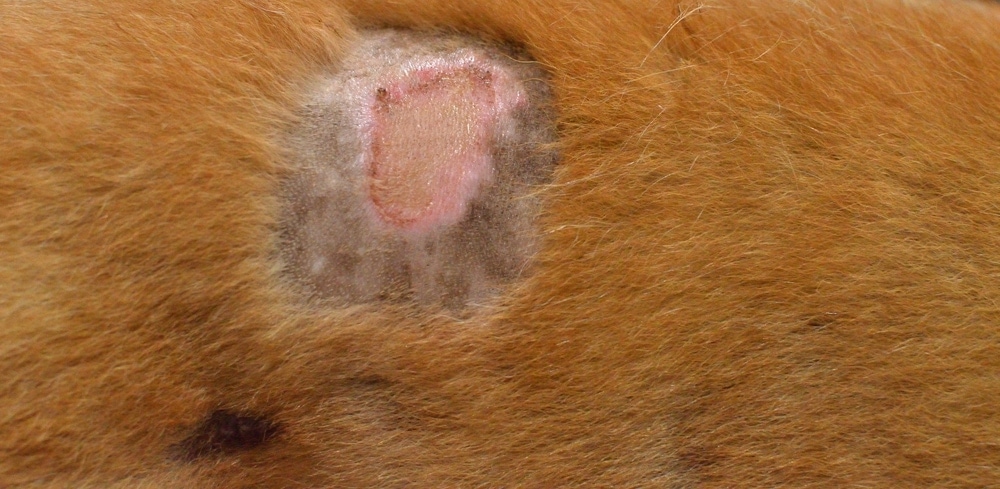
This skin sample is sent to a veterinary pathologist, who will process the sample and examine it under a microscope. The presence of characteristic hair follicle abnormalities can confirm the diagnosis of seasonal flank alopecia. Anyone who shares their home with dogs knows that they shed. How much shedding is normal depends on breed, time of year, and environment. But sometimes stress, poor nutrition, or illness can cause a dog to lose more hair than usual.
Signs of cancer
Folliculitis often occurs in conjunction with other skin problems, such as mange, allergies, or injury. Treatment may include oral antibiotics and antibacterial ointments or shampoos. Successful treatment depends on the underlying cause and specific diagnosis.
When to See a Vet about Your Dog's Bald Spots or Lost Hair
Flea infections can also be a problem, although it won’t be as dramatic as scabies and mange. Nevertheless, flea bite dermatitis can be problematic and extremely uncomfortable. Nutritional deficiencies are rare in well-fed dogs, but they do happen. Your vet may need bloodwork to establish which nutrients are low and prescribe supplements as needed. It’s safe to give your dog vitamin E and fish oil (but avoid cod liver oil as it can lead to an overdose of vitamins A and D) for their skin health. Dr. Cathy Barnette is a small animal veterinarian with 13 years of clinical experience.

Dry, Flaky Skin
You can also have patchy hair loss and scabs in particular areas, such as the edges of dog ears. Other potential options include aloe vera, vitamin E, and coconut oil. Ideally, you will consult your dog's vet before treating any skin conditions. Most owners learn to live with this, as treatment options are limited.
Parasites (fleas and mites)
Scabies in Cats: Causes, Symptoms, and Treatments - Daily Paws
Scabies in Cats: Causes, Symptoms, and Treatments.
Posted: Fri, 28 Jan 2022 08:00:00 GMT [source]
Some breeds are predisposed to genetic causes of alopecia (which we’ll discuss in more detail below). Alopecia in dogs is characterized by complete or partial loss of hair or fur in areas where hair is normally present. Please note, our vets and nurses are unable to respond to questions via this form. If you are concerned about your pet’s health, please contact your vet directly.
Diarrhea, bald spots, watery eyes... Does my dog have allergies? - EL PAÍS USA
Diarrhea, bald spots, watery eyes... Does my dog have allergies?.
Posted: Tue, 16 Apr 2024 07:00:00 GMT [source]
Although this is generally uncommon, the Pomeranian breed is suffers from a form of genetic hair loss called Alopecia X. In this case the ‘X’ means no-one knows the cause. Finding the underlying cause is key to targeted treatment and a return to a full, fluffy fur coat. Mange is a skin disease caused by mites and, while preventable and curable, can be highly contagious.
If your dog is losing hair, the best thing to do is go to a veterinarian for diagnosis and treatment. A dog with ringworm infection typically displays circular patches of hair loss, often with red, scaly, or crusty skin in the affected areas, as shown in the pictures below. Scabs and hair loss can be caused by a variety of conditions, ranging from minor to serious. Let’s look at the most common conditions causing these skin issues. Skin problems can be uncomfortable and painful, and in most cases, the sooner they are treated, the sooner they will be back to normal.

Rashes and Hives Can Cause Dog Hair Loss
Dogs infested with demodex mites may or may not be itchy, and their skin may be swollen, red and crusty or look completely normal. Most dogs moult in cycles throughout the year, but this shouldn't cause their coat to become bald or patchy. Some dog's naturally lose fur in certain areas without it causing a problem, but suddenly losing fur in a new place or pattern could be a sign of a problem.
For these little guys, keeping the skin in good condition and wearing a woolly in winter is the best compromise. The answer to one or more of these tests gives the reason behind the dog losing hair. Demodectic mange often occurs in puppies, as their weak immune systems can’t fight off the mites hiding in the hair follicles. For example, hypothyroidism is a metabolic disease in dogs that leads to weight gain and lethargy, but usually not itchiness.
If you buy through links on this page, we may earn a small commission. There are a few simple rules that help your hound have a healthy coat. There’s a whole spectrum of effective anti-itch medications ranging from old favorites such as steroids to sophisticated modern drugs like oclacitinib (Apoquel). In an ideal world the dog avoids the allergen, but if this is something like grass then it’s impractical.
Hyperpigmentation occurs when there’s an excess of pigment in any given place, which can possibly result in black “lumps” or scablike areas on your pet. This is a self-inflicted wound caused by compulsive licking of a leg or foot that results in hair loss and redness, or even an open sore. Symptoms of a yeast infection on your dog can be itchy, irritated skin, generally around the ears or toes. It typically affects areas around the dog’s ears, belly, and chest, even if it can come out anywhere on your dog’s body. Ringworm is highly infectious and should be treated instantly to keep away from infecting other pets or people. If you see scaly or inflamed round bald patches on your dog, they possibly will have ringworm.
One form of mange, Demodex, is known as ‘red mange,’ as the bald spots become inflamed and sore. If the dog is otherwise well, try brushing daily for a couple of weeks. Then you’ll get on top of the problem of the dog losing hair and the shedding should ease. The latter remains plush with no skin soreness or rawness, and no bald spot on the dog. For example, puppies are prone to parasitic infections or skin infections which cause hair to drop out.
If the cause is inflamed hair follicles and auto-immune skin disorders, anti-inflammatories, vitamins, and/or special shampoos may be prescribed. Vet DiagnosisFollowing on from discussing the symptoms you’ve noticed and a thorough physical exam, a vet’s primary tool for investigating skin lesions is to take samples. If your vet suspects allergies or hormonal disease then they might want to perform blood tests too.
If blood testing confirms Cushing’s, your veterinarian will guide you through appropriate treatment. Most dogs are treated with lifelong daily medications and will require frequent medical monitoring. Your veterinarian will use a combination of history, lesion appearance, Wood’s Lamp illumination, and fungal cultures or testing to diagnose your pet with ringworm. They will prescribe appropriate medications and advise you if further medical testing is necessary. View more pictures of ringworm in dogs with our veterinarian team’s advice. Your dog’s veterinarian will use a flea comb to identify fleas and a deep skin scraping under the microscope to identify mites.
A scab is a protective coating that forms over damaged skin. Nearly anything that damages your dog’s skin or leads to a break in the skin’s surface can lead to scabs. Learn more about the possible causes of scabs on dogs and how to work with your veterinarian to determine the source of common dog skin problems. One of the most common treatments for losing hair in dogs is medicated shampoos, but some natural remedies can also work. Insect bites and stings, medications, plants, chemicals, even shampoos can cause some dogs to develop a rash or hives, which can result in bald spots. Ringworm fungus, pests like mange mites, and bacteria can all lead to infections that may ultimately cause bald spots on your dog.


No comments:
Post a Comment